

Bee school.
Yes, we get stung. No, the queen doesn’t have a king. Take a closer look at the bees we work with and the honey they make.

Who’s who in the hive?
One colony, three very different bees. Here’s how to tell them apart.

The queen
The egg layer. Usually one per colony.
She lays the eggs that become the next generation. Her long abdomen is the easiest clue when you’re trying to find her among the workers.
Spot the queen
Look for the long, tapered abdomen extending beyond her wings.
The workers
The females doing most of the hive’s work.
Workers raise young bees, build comb, guard the entrance, and collect nectar and pollen. Their jobs change as they get older.
Spot a worker
Workers are the smallest of the three. A returning forager may have visible pollen loads on her hind legs.
The drones
The male bees. Big eyes, different job.
Drones mate with queens from other colonies. They don’t collect nectar or pollen. Their broad bodies and very large eyes help you tell them apart from workers.
Spot a drone
Look for the broad body and large eyes that meet at the top of the head.
Illustrations emphasize identifying features and are not to scale. Bee biology: UF/IFAS Extension · UC Agriculture and Natural Resources
From hive to honey.
Here’s what happens between a nectar run and a filled jar.

-
First, the flowers.
Foragers collect nectar and carry it back to the hive. The flowers they visit help shape the honey’s color and flavor.
-
Nectar becomes honey.
Bees add enzymes and evaporate water from the nectar. It thickens into honey as they work.
-
The bees put a lid on it.
When the honey is ripe, they seal the cells with wax. That’s the capped comb you can see in the photo.
-
Then it’s our turn.
Bruce and Tammy care for the hives, harvest the honey, and get it ready for your jar.
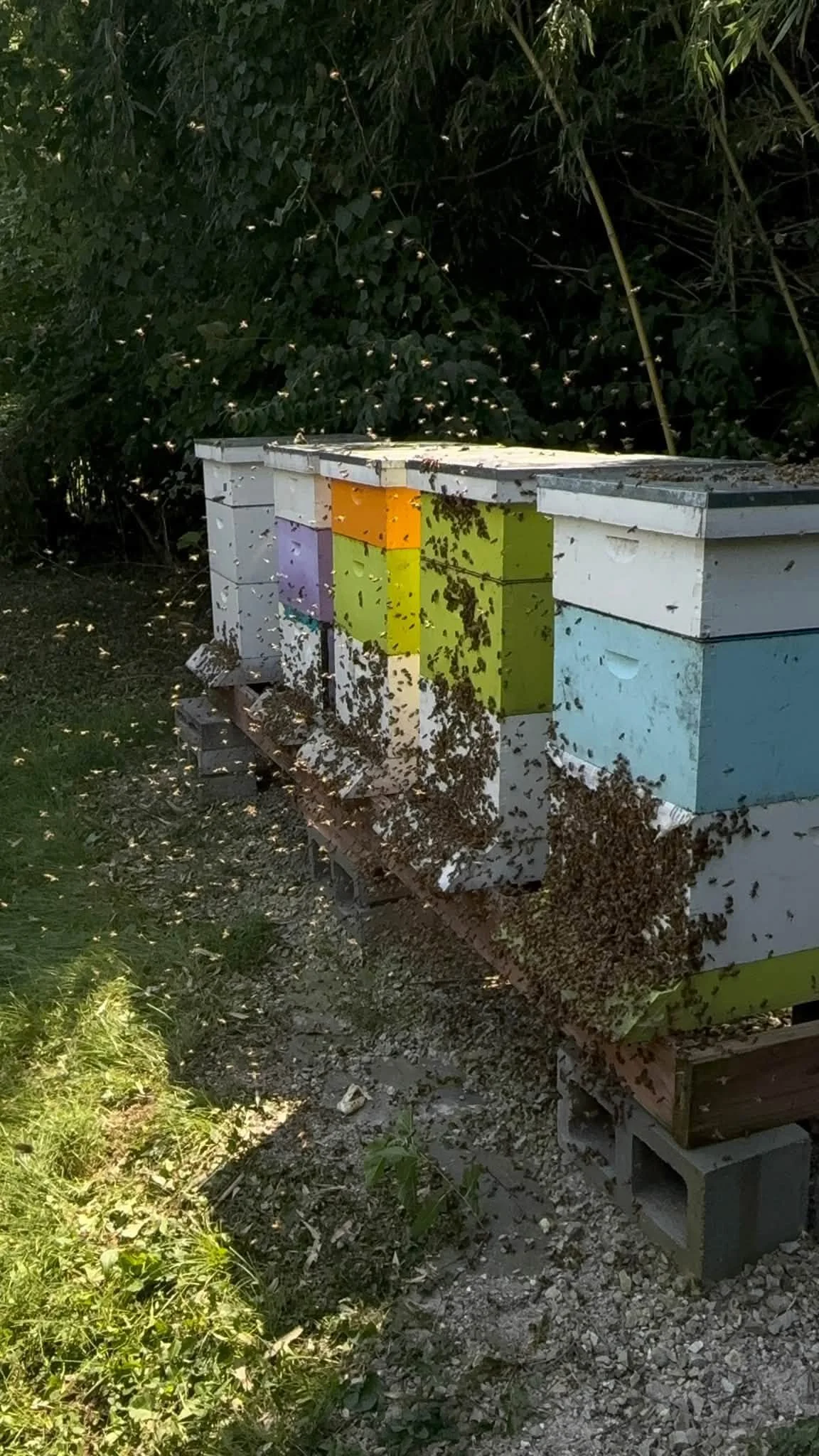
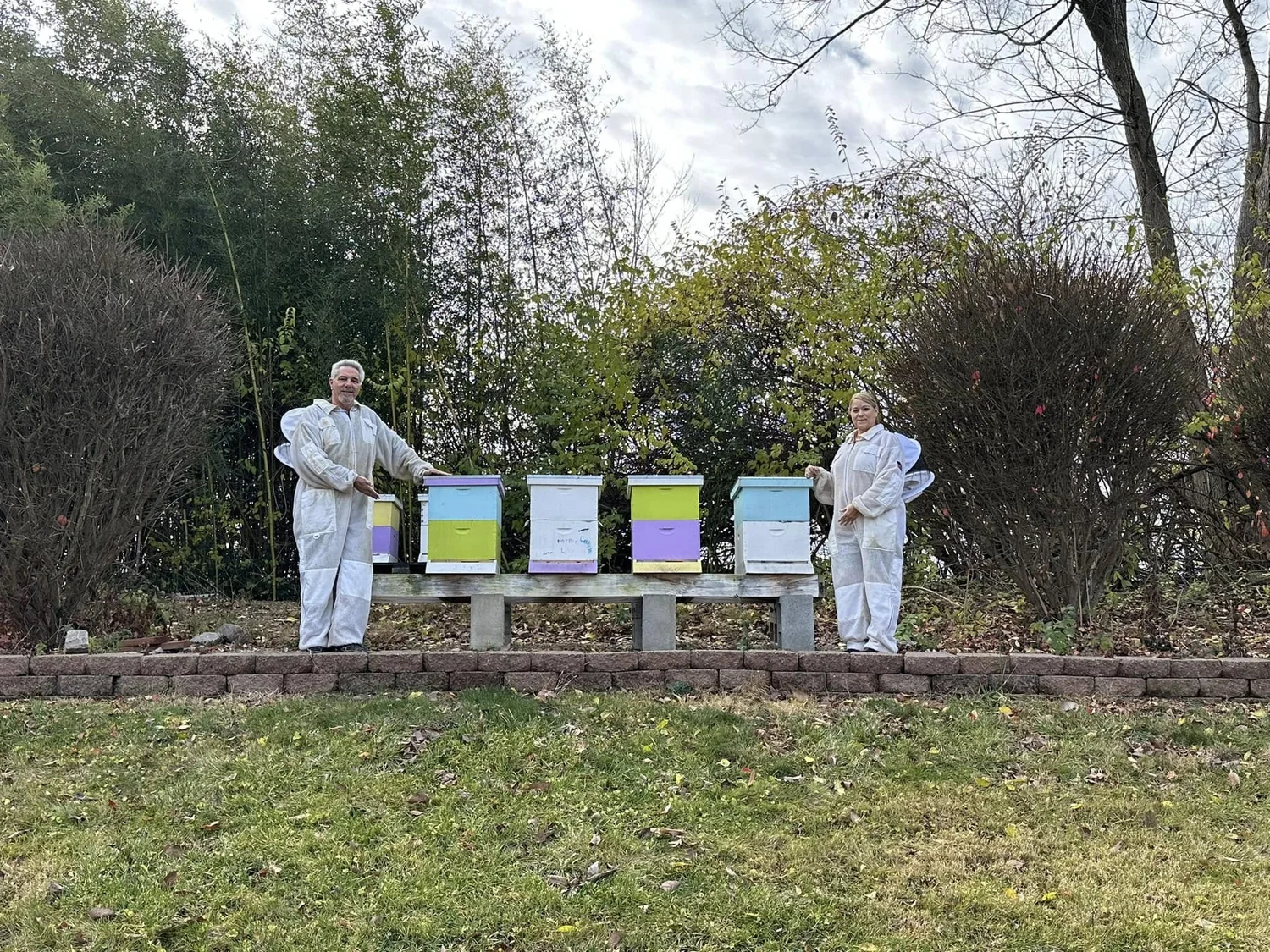
The science behind the honey: Mississippi State Extension
The questions we get.

Is beekeeping a lot of work?
Yes, especially in spring and early summer. The colonies grow quickly, so we keep an eye on space, add boxes when needed, and make sure the queen has room to lay. The girls do a lot of the work, but we definitely have a to-do list, too.
Do you get stung a lot?
Yes, but probably not as often as you’d think. Protective gear helps, although a determined bee can sometimes sting through a glove or find a way into a suit. A few stings on the hands while working the hives aren’t unusual for us.
How much does a bee sting hurt?
We’d love to say it doesn’t, but yes, it hurts! How much it hurts and how your skin reacts vary from person to person. Mayo Clinic’s sting first-aid guide
Is honey really bee vomit?
Not exactly. Nectar travels in a storage pouch called the honey stomach, or crop, separate from the bee’s digestive stomach. Bees bring it back up and pass it along to other bees. Enzymes and water evaporation do the rest. We still think “honey” sounds much nicer on the label.
Does the queen have a king?
No king in this hive. A young queen mates with multiple drones. Think of it as a bee version of The Bachelorette, except more than one drone gets a rose. The unfortunate twist? Drones that mate die afterward.
Can a queen bee sting a person?
She can, but it’s very rare. Queens mainly use their stingers against rival queens. The worker bees are the ones that defend the hive.
More bee biology: University of Arkansas Extension · Queen management from UF/IFAS Extension
Save the bees.
There’s more at stake than honey.
Bees and other pollinators help plants produce fruits and seeds, feeding people, birds, and other wildlife.
About three-quarters of the world’s flowering plants depend on animal pollinators to reproduce.
Pollinators also affect about 35% of global crop production by volume. These figures include bees and other animal pollinators.
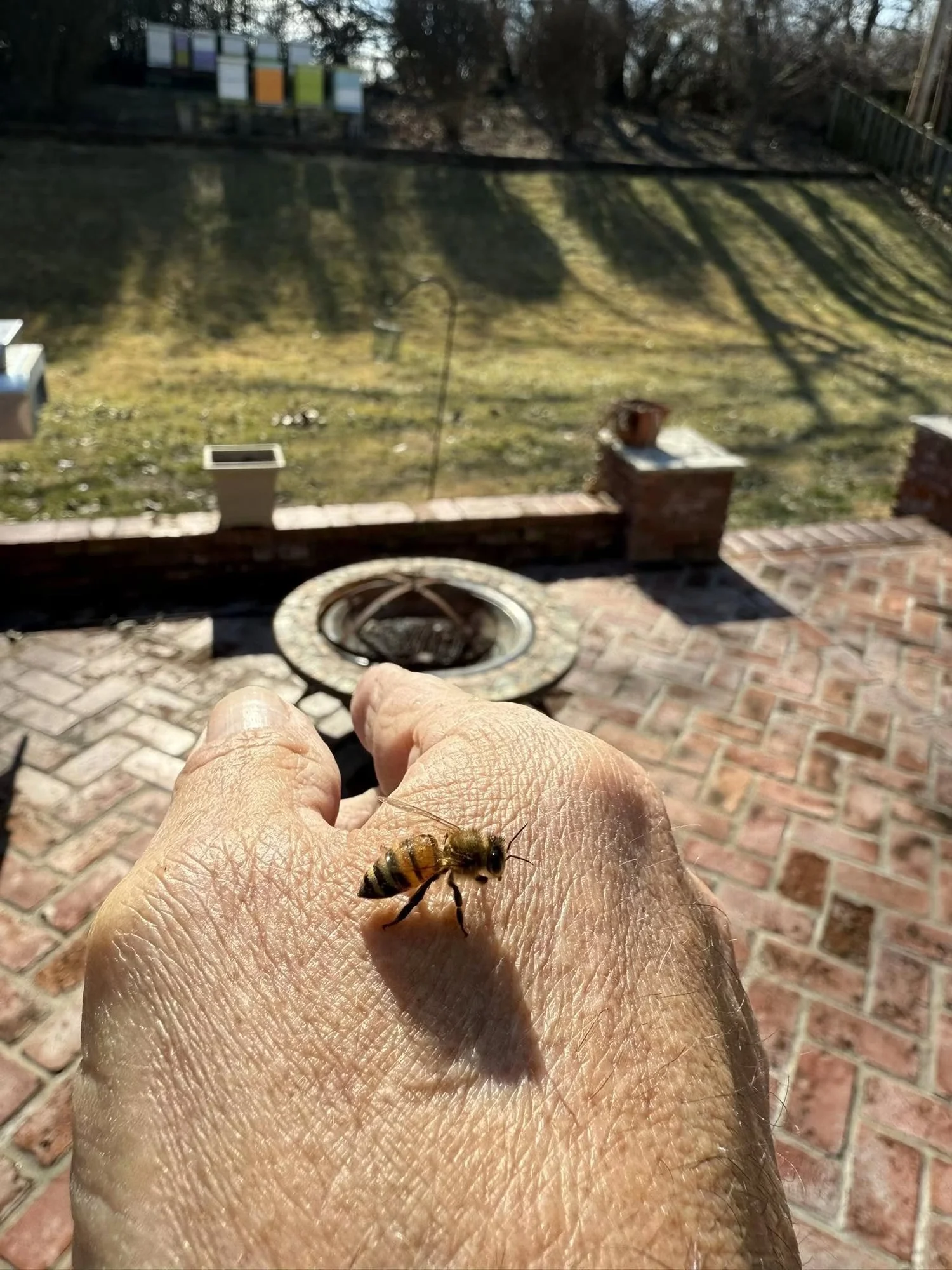
Support the people doing the work.
Explore bee rescue, habitat protection, and education through these organizations.
American Honey Bee Protection Agency
Honey bee rescue, relocation, and education in Texas.
Save The Bees USA
Pollinator education and habitat projects.
Xerces Society
Native pollinator conservation and habitat guidance.
Pollinator Partnership
Pollinator conservation, education, and research.